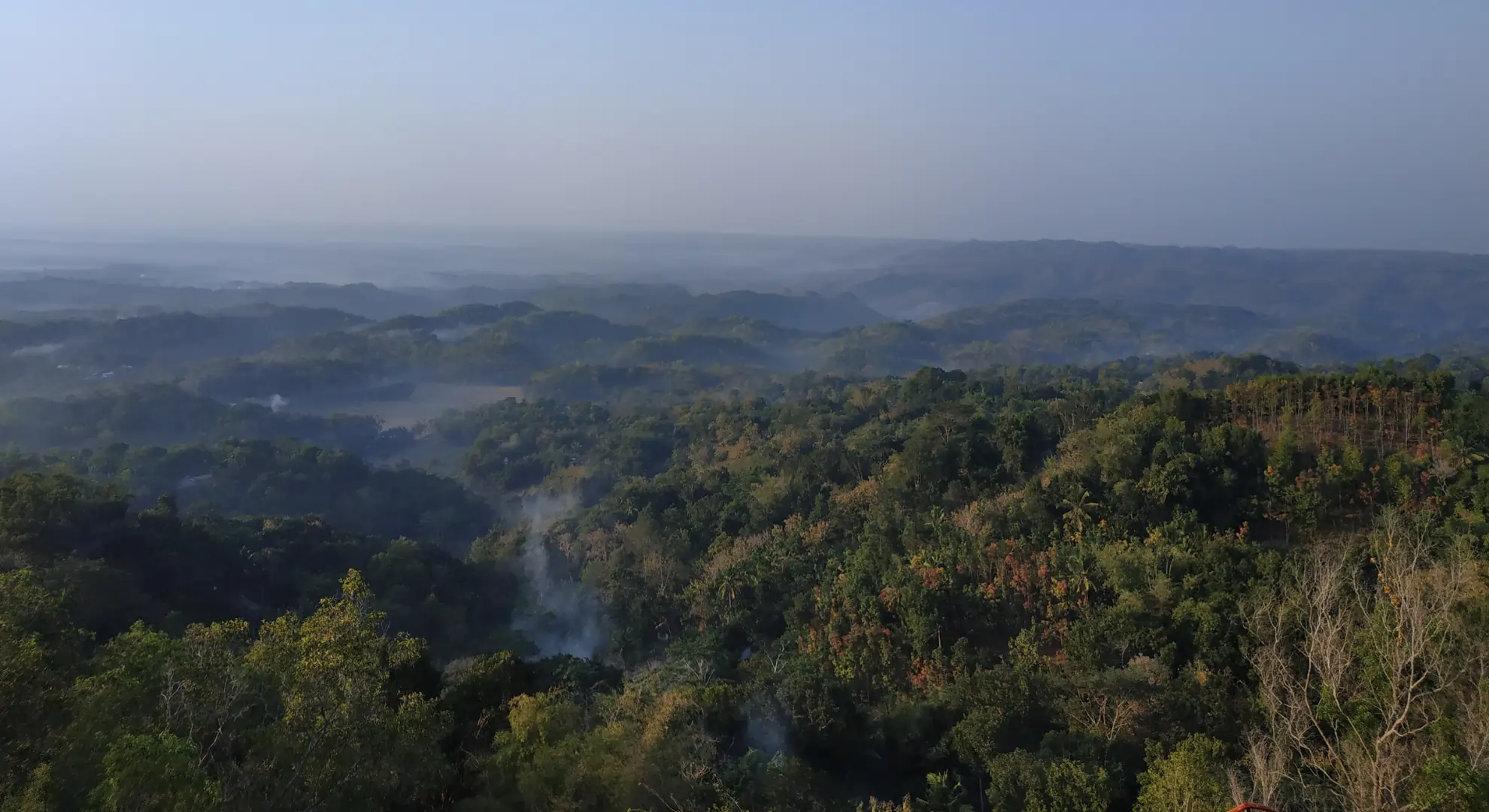
People usually think of Bandhavgarh National Park when they think of huge tigers and thick jungles. But there is a hidden botanical treasure beneath the park’s tall trees and lush landscapes: rare and endangered plants that are very important to the park’s environment. The plants that are in risk of extinction in Bandhavgarh are not only important for the environment, but they are also an important part of India’s natural history.
Bandhavgarh sits in the Vindhyan ranges of Madhya Pradesh and is notable for its wide variety of plants and animals. Wildlife tourism is mostly about big cats and mammals, but the park is also home to a number of rare plants that are becoming more and more endangered because of habitat loss, climate change, and human activity. These plants are very important to the forest ecology because they provide food and shelter for all kinds of animals, from insects and birds to herbivores and apex predators.
In this article, we talk about the rare and endangered plants in Bandhavgarh National Park, how important they are to the ecosystem, and the conservation efforts that are being made to protect this fragile plant diversity.
List of flora and fauna found in Bandhavgarh National Park.
Understanding the Unique Flora of Bandhavgarh
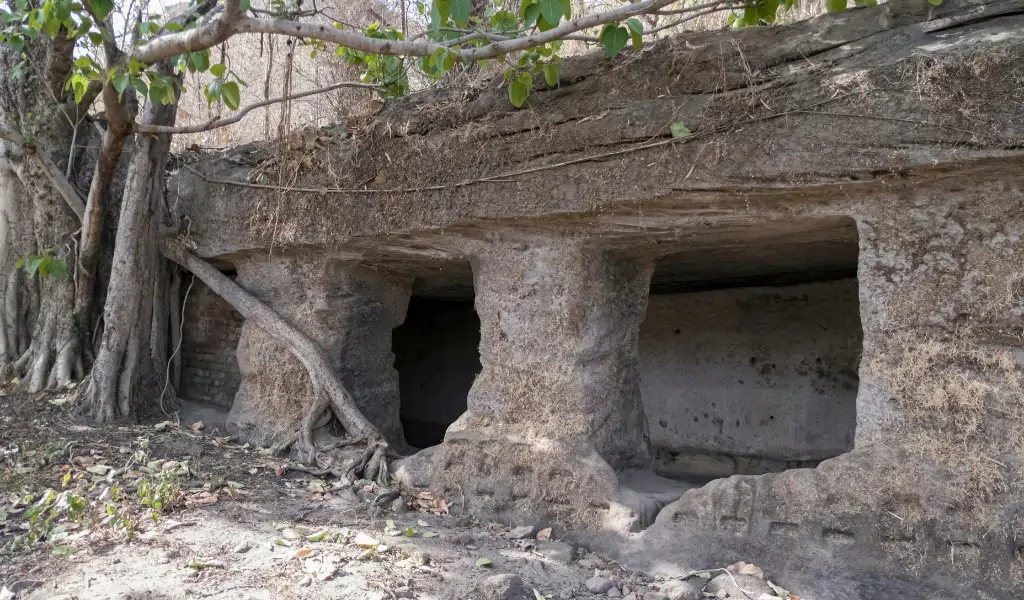
Bandhavgarh National Park is in the tropical dry deciduous forest zone, which has a wide range of plant life. The park has a lot of different types of land, like thick forests, grasslands, rocky hills, and streams that only flow during certain times of the year. This variety of habitats lets many plant species grow, including some that are rare or at risk of extinction.
Important Features of Bandhavgarh’s Plants –
- Bandhavgarh’s flora ecosystem has:
- Sal trees are the main trees in dry deciduous forests.
- Forests with bamboo and flora that are good for you
- Grasslands that are good for herbivores
- Wet areas near streams and valleys with plants that aren’t found anywhere else
These environments are the best places for some rare plant species that are only found in central India.
Why Endangered Plants in Bandhavgarh Matter
The endangered plants in Bandhavgarh are not merely interesting to look at; they are also very important for the park’s ecological equilibrium.
Importance for the environment:
- Wildlife’s Food Source
These plants are food for many herbivores, like deer, gaur, and langurs. - Making a habitat
Rare plants make little habitats for birds, insects, and reptiles. - Value in medicine
Some endangered plants in Bandhavgarh have been used for traditional medicine. - Keeping the soil and water safe
Native plants stop soil from eroding and help keep groundwater in place.
If these plants go away, the whole ecosystem of the park could be affected.
Rare and Endangered Plants Found in Bandhavgarh
Many plants that are uncommon, endangered, or threatened are found in Bandhavgarh’s forest ecology.
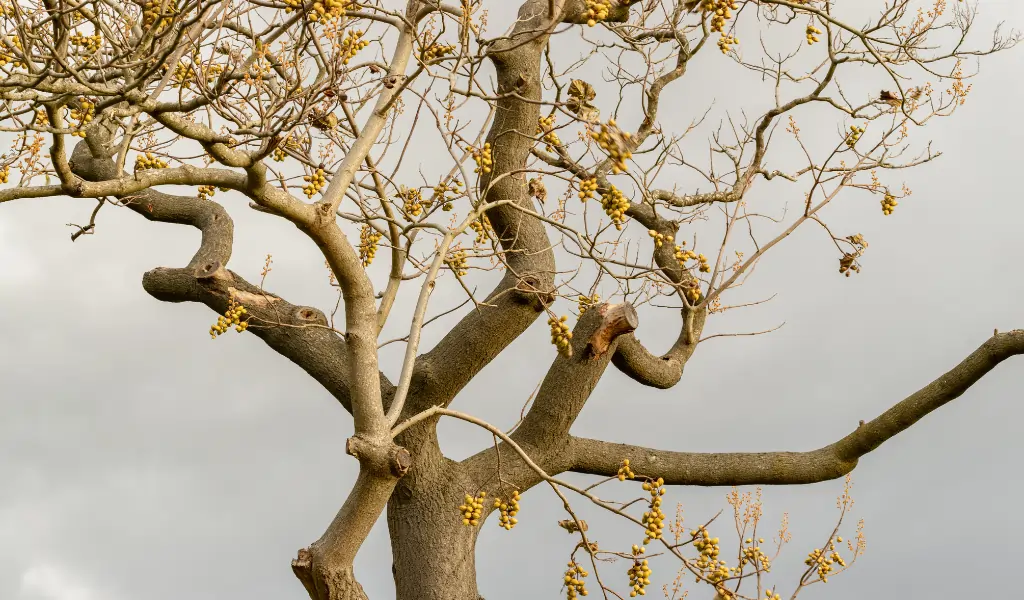
1. The Ghost Tree (Sterculia urens)
This strange species, also called the “ghost tree,” has milky white bark that seems to glow in the moonlight.
Important traits:
- Looks like it has no leaves at different times of the year
- Mostly found in arid, rocky places
- Makes gum that is used in traditional medicine
The Ghost Tree is not extinct everywhere, but it is in danger in some areas because of habitat loss and climate change.
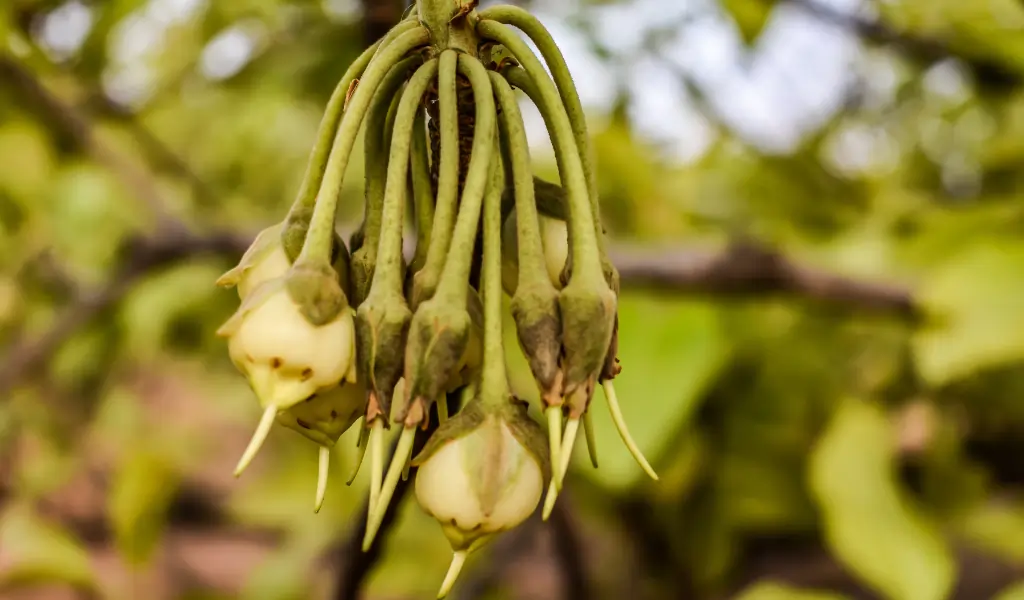
2. Indian Butter Tree (Madhuca longifolia)
The Mahua tree is very important to the environment and culture of central Indian woods.
Why it’s important:
- Makes flowers that people in the area utilize
- Wild animals eat fruits.
- Helps bats and insects that pollinate plants
In several forest areas, including sections of Bandhavgarh, its numbers have gone down because too many people are taking it and its environment is being destroyed.
3. Red Sanders (Pterocarpus santalinus)
Small populations and related species of valuable hardwood trees can be found in central forests, however they are more often linked with southern India.
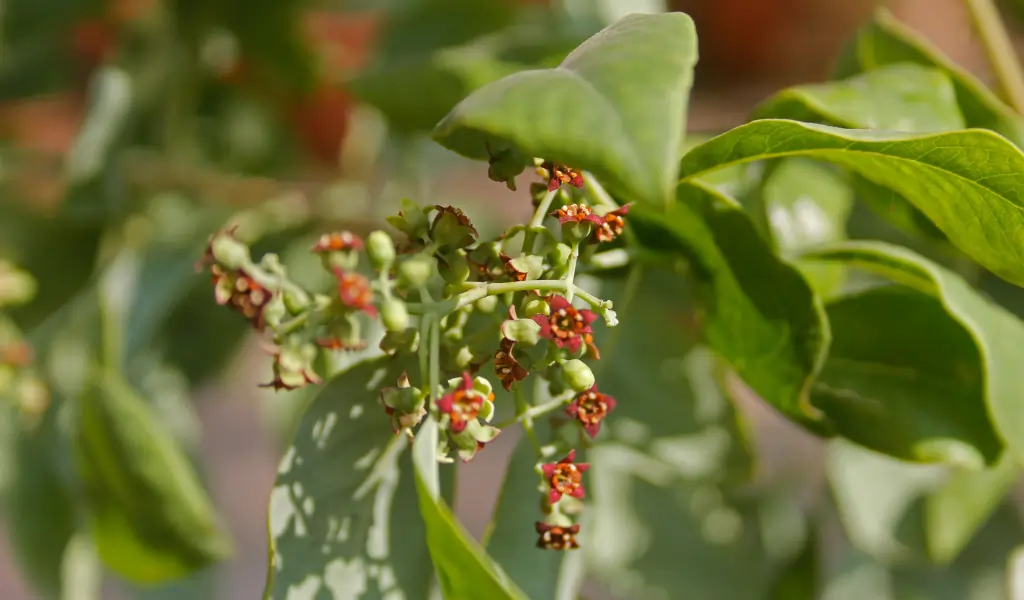
Things that could be dangerous include:
- Cutting down trees without permission
- Slow rate of growth
- A lot of people want to buy
Conservation initiatives work to keep these important animals from being used for their own gain.
4. Sarpagandha (Rauvolfia serpentina)
This medicinal plant is one of the most important plants in India that is in danger of going extinct.
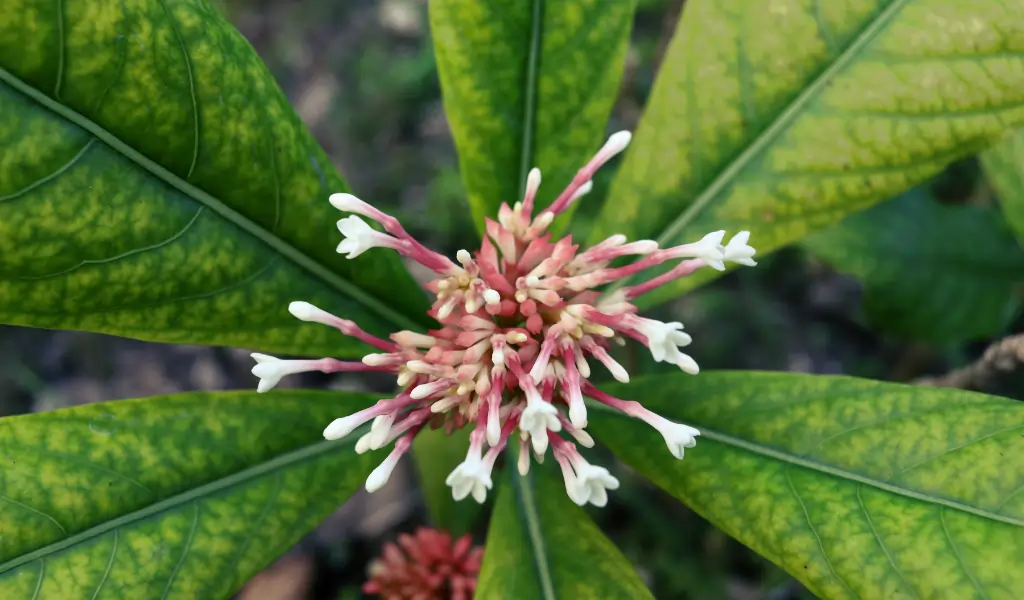
Medicinal value:
- Used for a long time to treat high blood pressure
- Has alkaloids that are used in medicines
- Used a lot in Ayurveda
Many woodlands have seen a huge drop in Sarpagandha populations because they are being overharvested for therapeutic purposes.
5. The Indian Gooseberry (Phyllanthus emblica)
This tree is known as Amla and is important for both the environment and medicine.
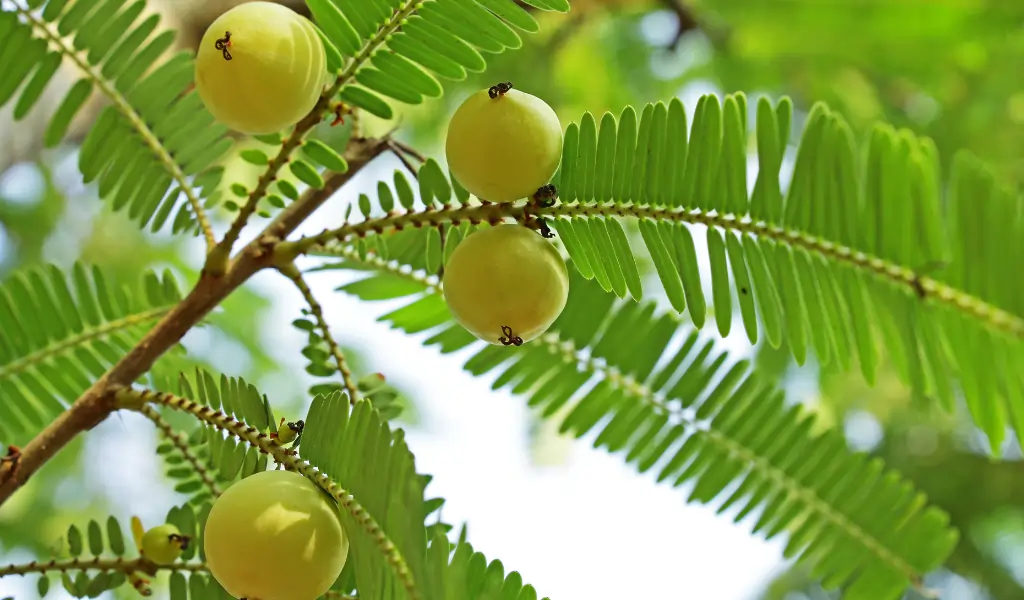
Some benefits are:
- Fruits high in vitamin C
- A key source of food for birds and mammals
- Utilized in Ayurvedic medicine
Natural populations are in danger because of unsustainable harvesting and habitat loss, even though they are important.
6. Bamboo Species (Dendrocalamus strictus)
Bamboo forests are very important for keeping the ecology stable.
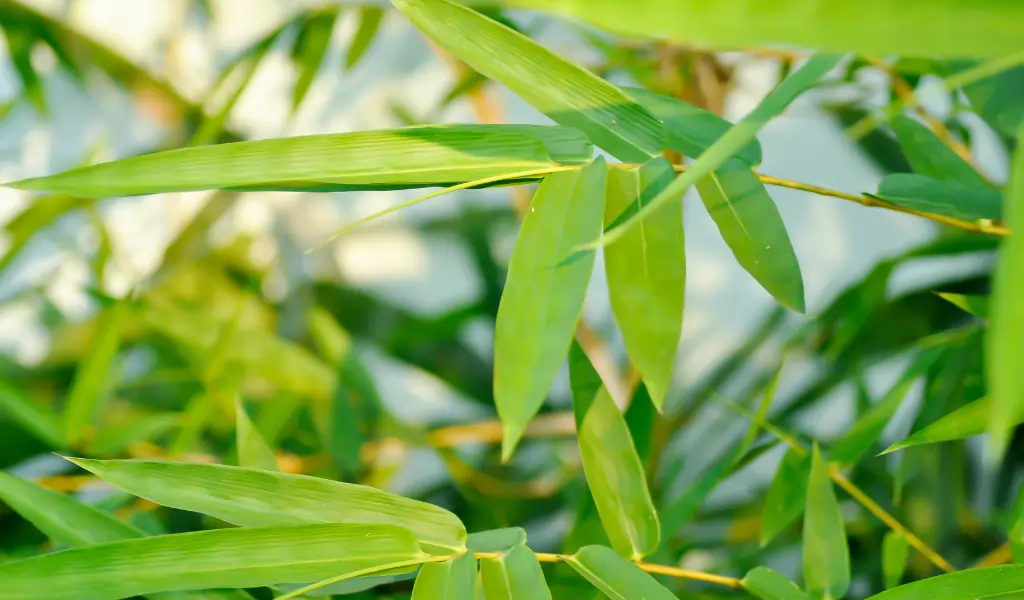
Roles in ecology:
- Give animals a place to live
- Keep soil stable on sloping land
- Provide nourishment for herbivores
Some portions of the park have seen bamboo growth slow down because of deforestation and forest fires.
Factors Threatening Endangered Plants in Bandhavgarh
The rare plants in Bandhavgarh National Park are still under risk, even though the park is protected.
1. Changes in the climate
Changes in rainfall patterns and rising temperatures can change how plants develop and how seeds germinate.
2. Fires in the Forest
Both natural and human-caused seasonal fires can kill seedlings and delicate plant species.
3. Human Activities
Things like:
- Logging that isn’t legal
- Too much exploitation of medicinal herbs
- Growth of villages close by
can put rare plant species at danger of dying out.
4. Species that invade
Plants that aren’t native to an area can sometimes spread quickly, competing with native plants for light and nutrients.
Efforts to protect Bandhavgarh National Park
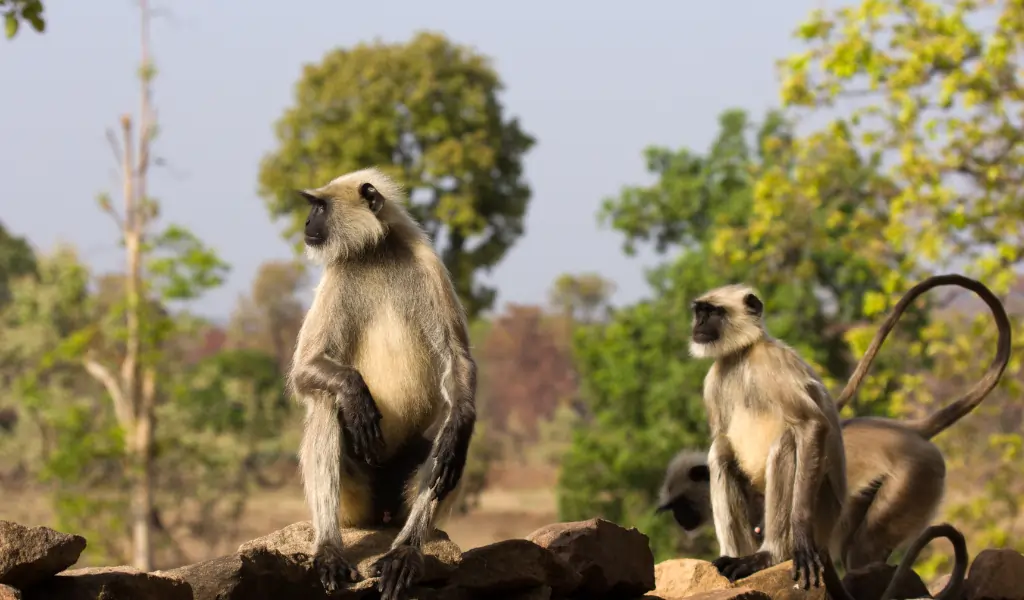
Authorities and groups who seek to safeguard the environment are working hard to protect the park’s uncommon plants.
Important Strategies for Conservation
1. Protecting Habitats
Strict preservation of core zones keeps native plants from being disturbed as much as possible.
2. Programs for Restoring Forests
Controlled planting and reforestation can bring back native plant populations.
3. Protecting medicinal plants
To ease the strain on wild species, plans are being made to grow therapeutic plants outside of the park.
4. Keeping an eye on science
Botanists examine the variety of plants and keep an eye on how vegetation patterns develop.
5. Being aware of the community
Teaching people in adjacent areas about how to use forests in a sustainable way can help stop overharvesting.
What Does Sustainable Tourism Do?
When done well, wildlife tourism in Bandhavgarh may help protect the environment.
Responsible tourism includes:
- Staying at lodges that are good for the environment
- Helping conservation projects
- Not disturbing natural habitats
- Following the rules of the park
The money that comes in from tourism can help pay for programs to safeguard both animals and plants that are in danger of going extinct in Bandhavgarh.
How Rare Plants Support Bandhavgarh’s Wildlife
The survival of Bandhavgarh’s famous wildlife is closely linked to the health of its vegetation.
For example:
-
Deer species depend on forest plants for grazing.
-
Bird species rely on flowering plants for nectar and insects.
-
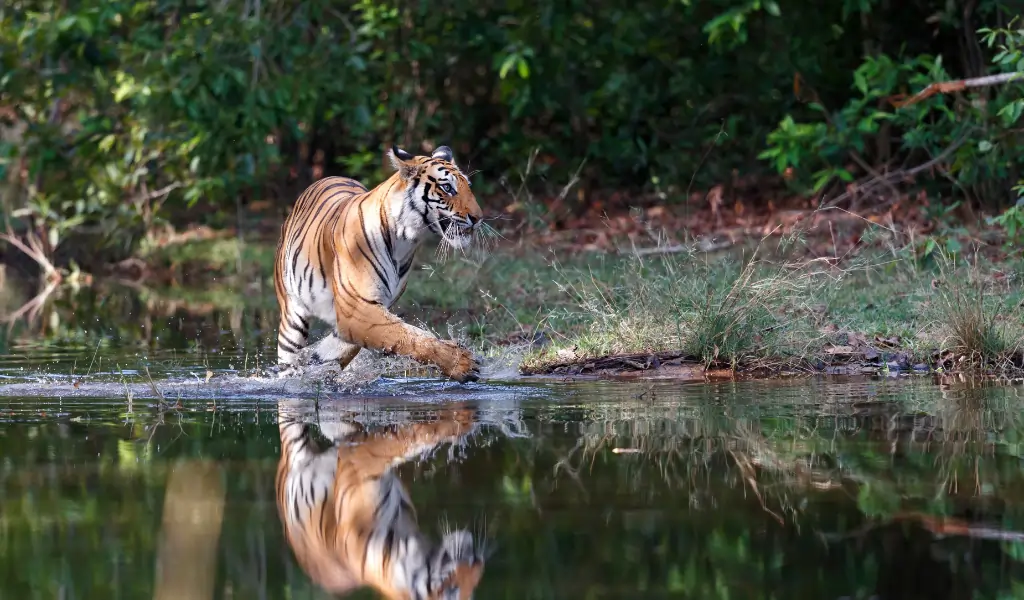
Tigers and leopards indirectly depend on healthy vegetation that supports prey populations.
Thus, conserving rare plants helps protect the entire food chain.
Future of Endangered Plants in Bandhavgarh
Protecting the endangered plants in Bandhavgarh National Park requires long-term conservation strategies.
Future priorities include:
-
Detailed botanical surveys
-
Seed banks and plant nurseries
-
Climate-resilient conservation plans
-
Collaboration between scientists and forest authorities
With proper conservation measures, Bandhavgarh can continue to preserve its remarkable botanical diversity for generations to come..
Final Thoughts
Bandhavgarh is known around the world for its tigers, but its rare and endangered plants are just as vital to the park’s ecology. These plants, like Sarpagandha and Mahua, are the most important parts of the forest ecology.
It’s important to protect the endangered plants in Bandhavgarh because they help keep the park’s fauna alive and keep the park’s delicate balance.
We all have a part to play in protecting these hidden botanical gems, whether we are visitors, environmentalists, or nature lovers. We can help make sure that Bandhavgarh’s rare plants continue to grow in the wild by supporting responsible tourism and conservation efforts.